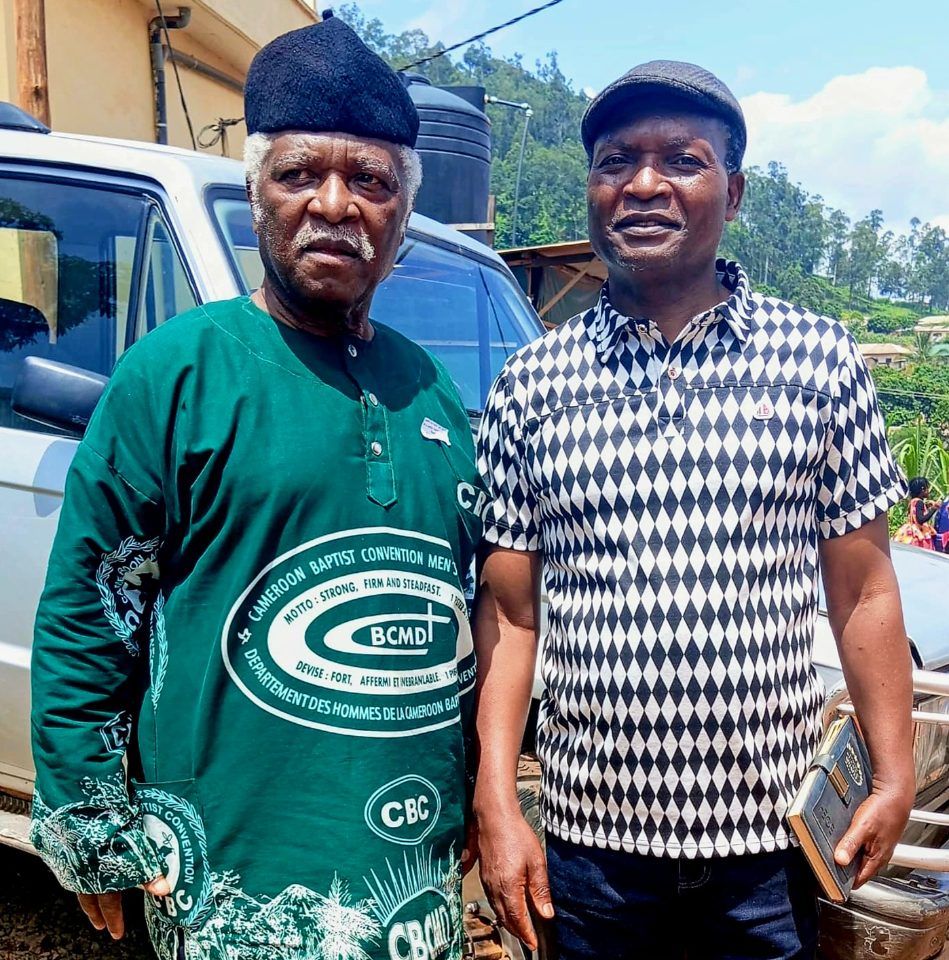
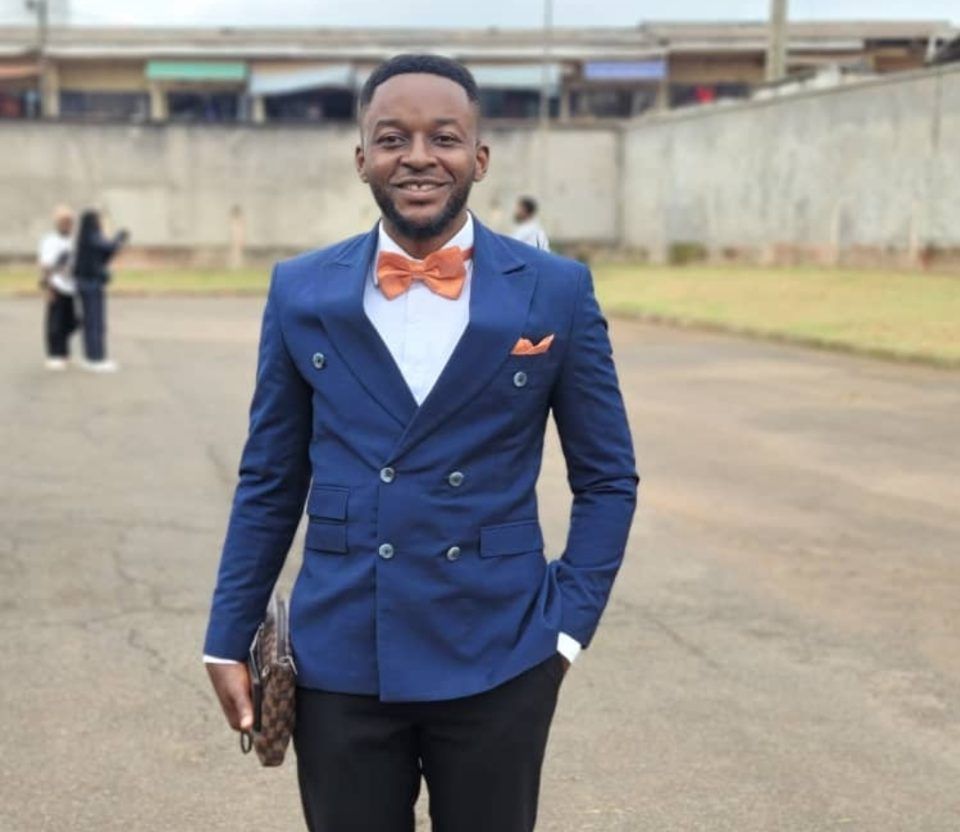
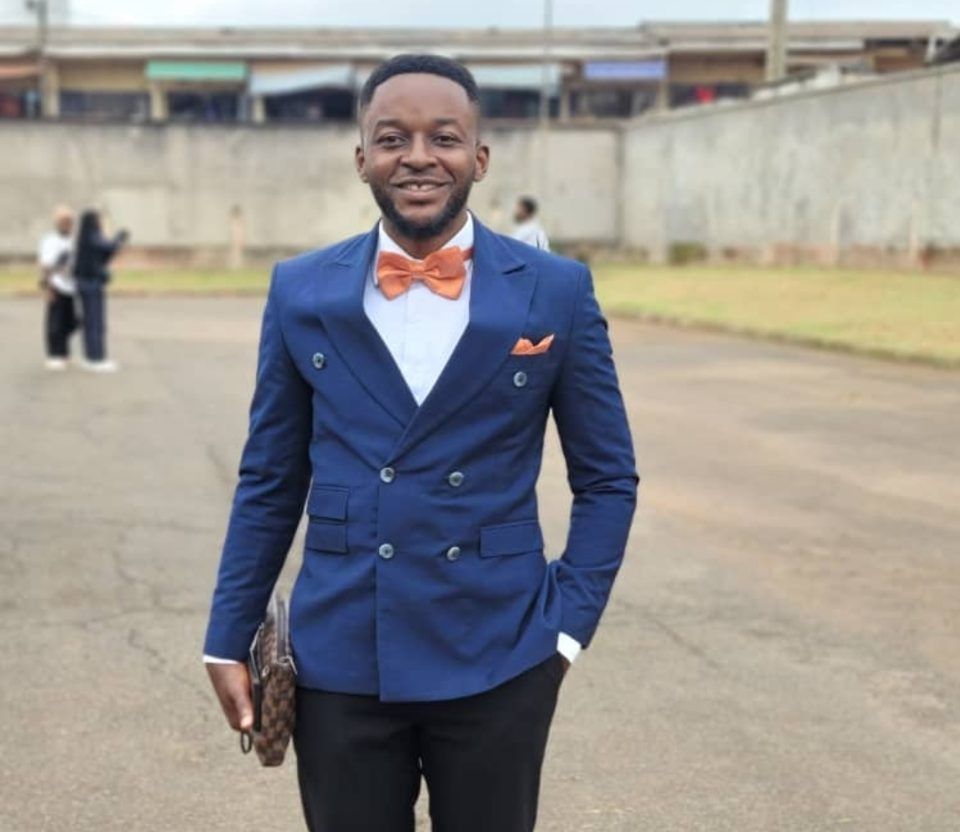
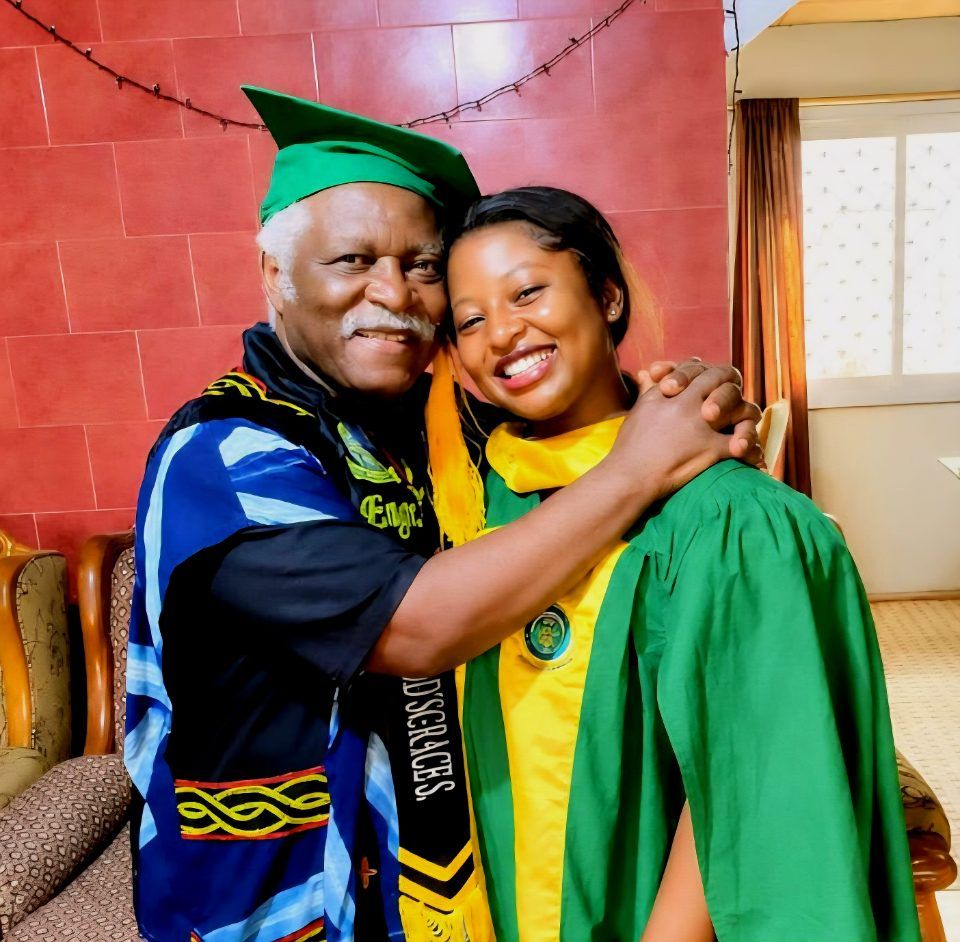
“MY FATHER AND I”
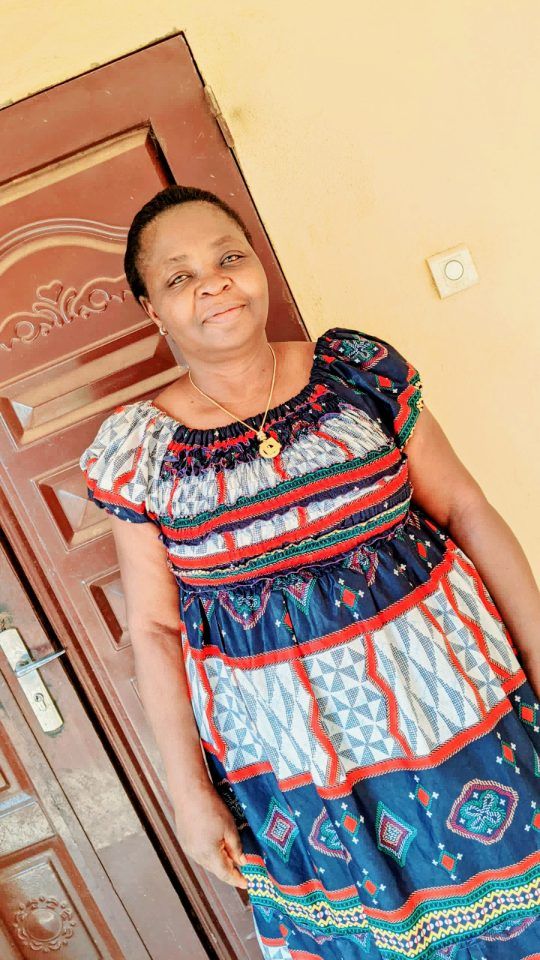
How do I find the words to write about the man I called my father? How do I say goodbye to the man who was not only the father who did so much in raising me, but the father who shaped the person I became?
You were my father in every sense that matters. You carried me, guided me, corrected me, encouraged me, prayed for me, blessed me, and stood by me through every season of my life. You called me “My baby brother,” you called me “Rich,” but those words carried far more than affection. They carried the tenderness of a father, the protection of a parent, and the confidence of a man who had taken responsibility for my life.
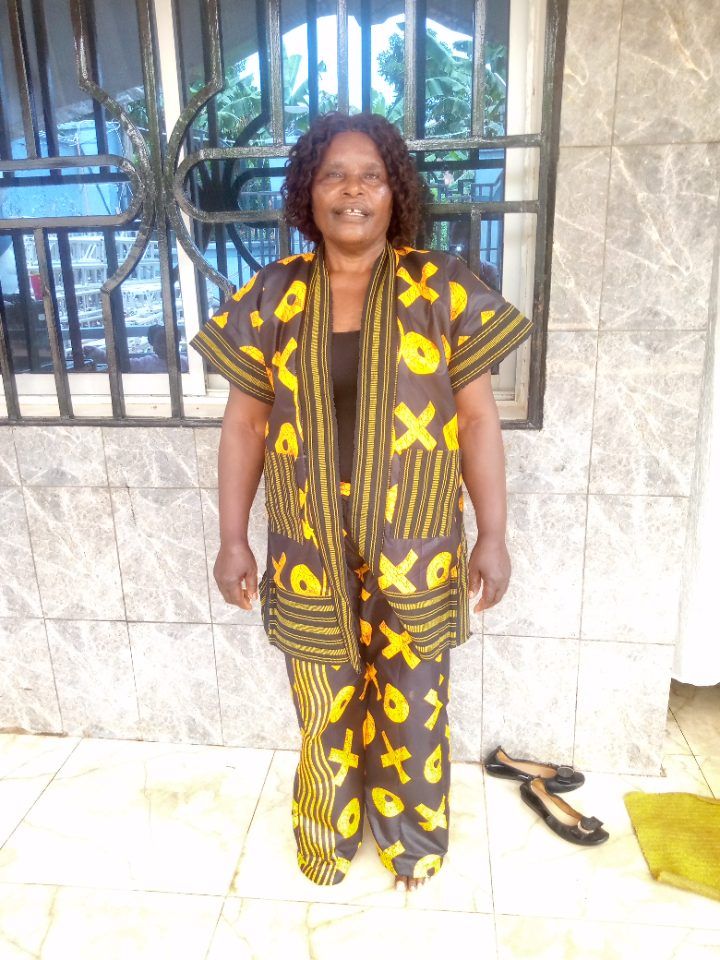
For as long as I can remember, you were the person I looked up to. You were ideally my role model. You were Wisest, not simply because people gave you that name, but because you earned it with the way you lived and did things. When there was confusion, people came to you. When there was conflict, people looked to you. When someone was sick, struggling, marrying, grieving, or simply did not know what to do, somehow you always seemed to know where to begin.
You made difficult things seem possible. You made people feel that they belonged. You made this enormous family feel like one family. Your home became a place where people came and went freely. Children, relatives, friends, nieces, nephews, cousins, mentees, and strangers who eventually became family. You fed people. You advised people. You supported people. You helped people get married. You stood with families in sickness and in death. You gave not because you had nothing else to give, but because you understood that people mattered more than possessions.
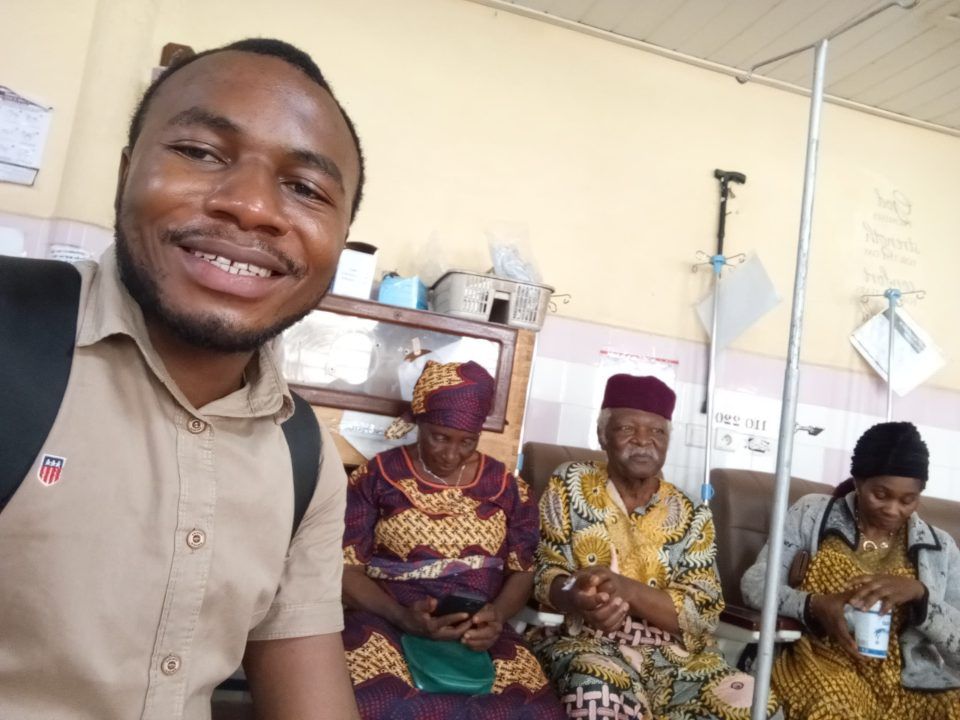
And to me, you were my father. I remember the way you cared for the elders who came before us. I remember how you made sure our father, Ngwayu (wan Kefih) had firewood and the basic things he needed for his livelihood. I remember you leaving wherever you were and making the journey to Oku whenever he needed medical attention. You took him to the hospital at Shisong. You made sure he received care. You even attended to things as personal as his teeth and his dignity, especially since he had become a “Fai (Biggehman)” and could no longer do most of the things he would normally do as a regular person. You did not simply tell us how to care for our elders and those with titles. You showed us.
And years later, when I found myself caring for you during your own illness, I began to understand even more deeply what your life had been about. There was a moment when you rested your head on my lap and cried because you felt that you had somehow cheated, that you were receiving more care from me than you had ever been able to give to our father. But I quickly reminded you of your works! I reminded you of the firewood. I reminded you of the hospital journeys. I reminded you of the countless things you had done for him and for the other elderly people who depended on you. I reminded you that you had carried responsibilities that were never small. And I reminded you that even the textbooks you bought for me were part of that same sacrifice. You were carrying the responsibility of the family head while still finding a way to invest in my future. You listened. You stopped crying. And I could see that you were comforted by the realization that your life had not been wasted. You had given more than you ever thought you had, and even so, you still did not think you had done enough. That was the kind of father you were. You always thought there was more to do, despite having done more than enough.
What about the time when you took care of me, bathing me, taking me to and from the hospital every single day for over six months, feeding me, and making sure I had all I needed for my care after I had undergone surgery? And you happily did that, letting me know you knew I’d do the same and that you wouldn’t let anyone else take such a responsibility?
And perhaps that is why, toward the end, when I began taking more initiative, running errands, helping with things, making decisions, and standing beside you, you told me that you felt as though you now had four hands. I understand those words differently now. Perhaps you were finally seeing that the things you had spent your whole life carrying would not disappear when you were gone. Perhaps you were beginning to see that your son had learned from you. Perhaps, in your heart, you knew that the work you had started could continue.
But I was not ready. I do not think any of us were. On August 17, 2026, at about 11 am, you died in my arms, while smiling and looking so fresh. I refused to believe. I told the doctors and nurses not to remove the drips you were on because I genuinely believed you were resting. I mean, just that morning, you were joking with me and many others who were around. Just a few minutes before your demise, you were comfortably chatting with us. You walked to the car with me. There are some moments in life that divide everything into before and after. That was mine. I held you as you left this world, and in that same moment, I felt the weight of a responsibility I had never asked for and never believed I was ready to carry.
You were gone. And suddenly, the man who had always been there to tell us what to do was no longer there. The man who settled difficult matters was gone. The man everyone called when they did not know where to begin was gone. My reference point and datum level were gone. My father was gone. I suddenly became an orphan. My hair was getting greyer right before my very eyes. I couldn’t think of anything else! I couldn’t see or read numbers on my phone. I couldn’t tell what feeling I had. I still cannot. “My Father and I.”
And I was left asking the very question you had answered for so many people. Where do I begin? How do I lead a family this large? How do I make decisions when everyone is looking to me? How do I carry the people you carried for so many years? How do I become the father you were to all of us? I do not know if I can fill your shoes. Perhaps I never will. But I have come to understand something. You never taught us to become you. You taught us how to serve. However, I keep asking myself in every situation I have faced since then, “What would Wisest do?”
You taught us that leadership is not about being above people but being there for them. You taught us that wisdom is not merely knowing what to say, but knowing when to listen, when to act, when to forgive, when to give, and when to pray. You taught us that a person's greatest wealth is not what he owns, but the lives he touches. You taught us that faith must remain at the center, even when life does not make sense.
And when your time came, you reminded us of the same faith you had lived by. You said that at 73, we ought to consider that our race was run and look forward to our reward. You reminded us of the words of Jesus. Thy will be done. Those words are difficult to accept today. Because we still wanted you here. As one who had never been on a single drip all his life prior to May of 2026, I recall you saying you didn’t want my siblings or me to know that you weren’t quite well, because we would fear that you were about to transition to glory, given your age, which you thought we weren’t ready for, it pains so deeply that within a span of less three months, you left us!
The children and grandchildren still ask me where you are every day. They long for you. They keep mentioning how you promised to be there when they graduate to put on their robes, about the many ceremonies you promised to attend, including their weddings, defenses, swearing-ins, and more. They talk about a lot of things you planned to do with, to, and for them. They talk about the many things they planned to do for you. They really grieve and miss you. What do I tell them? The family still looks for you. What about the plans we had? What about Thanksgiving? What about a lot of things? There are still questions we wish you could answer. There are still things we wish we could tell you. And there is still an emptiness where your voice used to be.
But I take comfort in knowing that you did not leave without preparing us, for the most part. One can be prepared but not ready. You spent your life planting something in each of us. And now, it is our turn to carry it, as heavy as it is.
In every sense, I want to thank you, my father: you gave me more than a life to emulate. You gave me direction. You gave me courage. You gave me discipline. You gave me wisdom. You gave me faith. You gave me a family to protect and a legacy to continue. You gave me the confidence to stand even when I am afraid. And although I may never understand why you had to leave when you did, I will hold on to what you taught us.
You called me your baby brother. Today, I stand as your son, grieving you, missing you, but also carrying the responsibility you entrusted to me. I cannot promise that I will do everything the way you did. I cannot promise that I will always know what to do. But I promise that I will try. I will try to serve. I will try to protect. I will try to unite. I will try to listen. I will try to lead with wisdom. And whenever I am lost, I will ask myself, "What would my father have done?" That will be one of the ways you continue to speak to and through me.
My father, my teacher, my protector, my counselor, my guide, my Wisest, rest now. You carried us for so long. You served us for so long. You worried about us for so long. You gave so much of yourself to us. It will most definitely take a lifetime and more to describe you and to bear the pain of your absence. No number of words will ever be enough. We will just carry on! Sometimes, we can’t change, and we can’t choose. Perhaps now it is time for you to rest. Your race is run. Your work has been done. Your crown awaits.
And though your departure has left a hole in our family that no one can fill, your life has left behind something far greater than that hole, a legacy. We will carry it. I will carry it. And I pray that you will look upon us and be proud. I love you.
Your Son,
Your Baby Brother,
Rich,
“My Father and I”
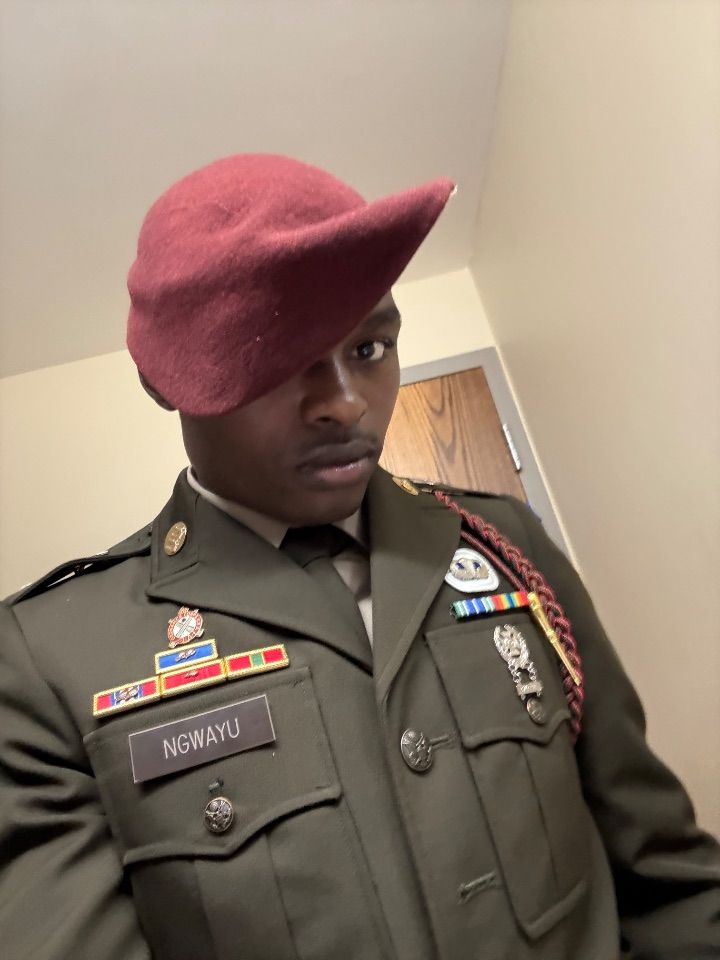
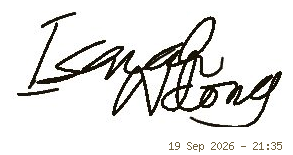
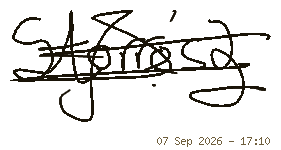
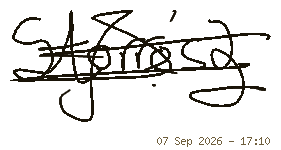
NGWAYU RICHARD FONJO